




By Maxim Khabur April 10, 2026
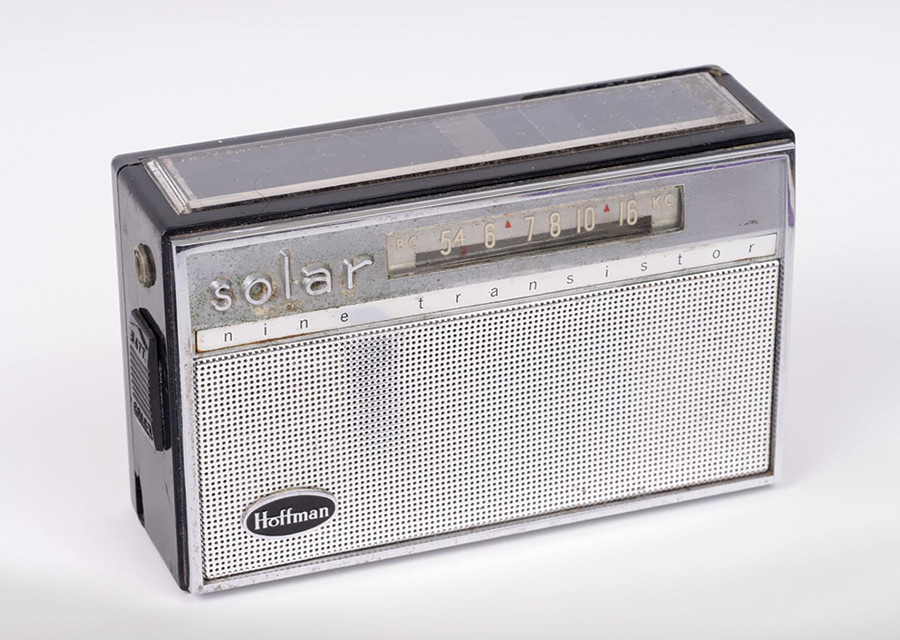
Hoffman solar-powered radio. © Museum of Solar
The solar industry’s rapid evolution is a story of innovation, fierce competition, and dramatic exits. As countries have moved toward decarbonization and grown the share of renewable energy in the total energy mix, the commercial solar panel sector has seen both meteoric rises and sudden declines among its most prominent brands. The major implication? Supporting the growth of today’s solar after-market by replacing discontinued solar panel brands near the end of their useful life.
“I’d put my money on the sun and solar energy. What a source of power! I hope we don’t have to wait until oil and coal run out before we tackle that.”
– Thomas Edison
Solar Light to Electricity Conversion
The sunlight that hits a square foot of any surface carries 127 watts of energy. The ideal solar panel would convert 100% of this energy into electricity.
The history of commercial use of solar energy began in the mid-20th century when Bell Labs introduced the first practical silicon photovoltaic (PV) cell, boasting a then-revolutionary 6% efficiency. By the late 1950s, companies like Hoffman Electronics had pushed efficiencies to 14%, sparking commercial interest and laying the groundwork for the solar industry’s future. In 2025, solar panel efficiency continued to break new ground – LONGi launched a solar panel with a remarkable 33% efficiency in their large-area (260.9 cm²) crystalline silicon-perovskite two-terminal tandem solar cell. These efficiency gains not only demonstrate the technical feasibility of solar power but also ignite commercial and governmental interest, setting the stage for the industry’s further development.
From Pioneering Innovation to Global Expansion
The 1970s energy crisis marked a turning point. Governments and corporations, eager for alternatives to fossil fuels, accelerated solar R&D. ARCO Solar emerged as a trailblazer, becoming the first company to produce one megawatt of PV modules in a single year by 1980. Meanwhile, Japanese firms such as Sharp and Kyocera established themselves as global leaders, driving advancements in efficiency and reliability.
The 1990s saw a surge in investment, with brands like SolarWorld facilitating the adoption of crystalline silicon panels across Europe. In the United States, initiatives like the “One Million Solar Roofs” program further fueled demand for commercial solar solutions.
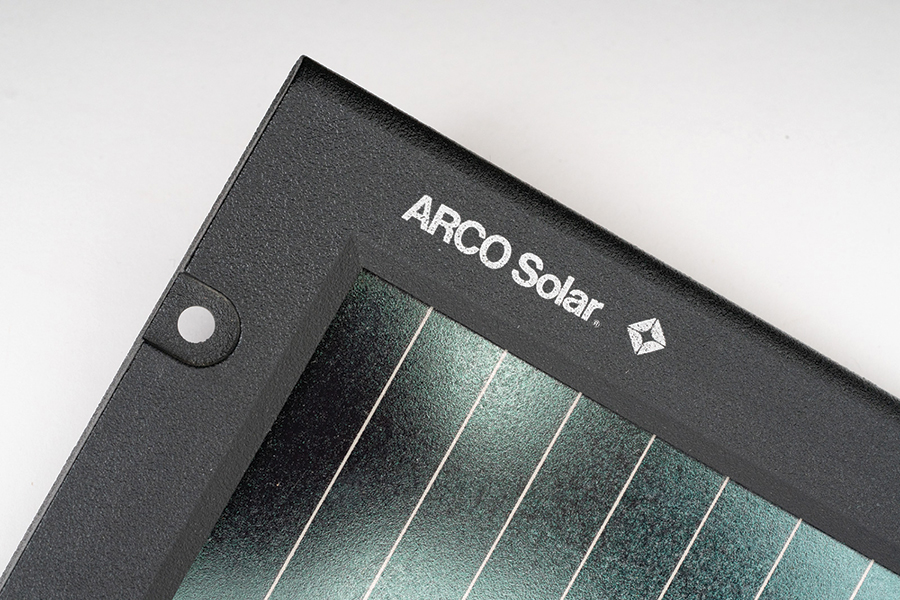
ARCO solar panel. © Museum of Solar
Market Shifts and the Fall of Industry Icons
The 2000s ushered in a new era of innovation, with thin-film technologies and high-efficiency modules from companies like First Solar and SunPower. This period also saw the rise of Chinese manufacturing, which dramatically lowered costs and intensified global competition.
By the 2010s, many established brands struggled to adapt. BP Solar, a committed player since the 1980s, exited the market in 2011. Solyndra, once celebrated for its unique cylindrical panels, filed for bankruptcy the same year amid unsustainable production costs. Other notable departures included Evergreen Solar, Schott Solar, and SolarWorld—each leaving a legacy of technological advancement and market expansion.
Remembering the Brands that Shaped the Industry
Despite their market exits, these discontinued brands made significant contributions to the solar industry. BP Solar was instrumental in advancing crystalline silicon technology and helped establish early commercial markets. Solyndra’s innovative cylindrical solar panels, though commercially unsuccessful, demonstrated the potential for alternative PV designs. Evergreen Solar contributed to cost reduction initiatives and manufacturing process improvements.
Ad for Bell Telephone System.
The list of discontinued solar panel brands is long and storied, featuring names such as Uni-Solar, HelioVolt, and Abound Solar, etc. Their experiences offer valuable lessons on the importance of innovation, adaptability, and strategic foresight in a rapidly changing market. Bluewater, a leading USA second-life solar equipment player, posted the full list of discontinued solar panel brands and their years in service.1
The exit of these major players created both challenges and opportunities in the solar industry.
The After-Market Opportunity: A New Chapter for Solar
As more legacy panels reach the end of their service lives, the need to replace discontinued brands supports the after-market for solar components. Many solar consumers will be looking to source older components to match their array.
According to a recent Wood Mackenzie report, the U.S.now boasts north of 248 GW of installed solar PV capacity,2 with over half a billion solar panels currently in operation.
As more panels approach the end of their 25–30 year lifespan, or are proactively replaced as part of preventive maintenance plans, the demand for solar panel replacements is growing.
In 2025 alone, the U.S. market saw tens of millions of panels replaced, and with the total installed solar capacity having grown nearly 100x since 2010, the need for replacements is expected to double each year for the next decade. Custom-sourcing matching solar panels increases utilization of idle equipment, and allows the continued performance of existing solar installations without a major overhaul.
Full list of discontinued solar panel brands: bluewaterbattery.com/discontinued-solar.
About the Author
Max Khabur is a Director of Marketing
at Bluewater, one of the U.S. leading operators in the second-life solar equipment and battery market. Formerly Max led marketing at OneCharge Lithium Batteries, and was elected Chairman of the Advanced Energy Council, representing a group of companies – members of the MHI.org (Materials Handling Industry) Association.
Sources:
- https://www.bluewaterbattery.com/discontinued-solar
- “US Solar Market Insight: 2024 year in review” published by Solar Energy Industries Association (SEIA).